Gum health · 6 min read
Bleeding gums: what they tell you and what helps
Pink on the toothbrush is so common that many people ignore it. It is usually the first sign of inflammation, and the good news is that it often responds well to a better routine.
By the OROXID pharmacist team · Reviewed by a dentist · October 2026
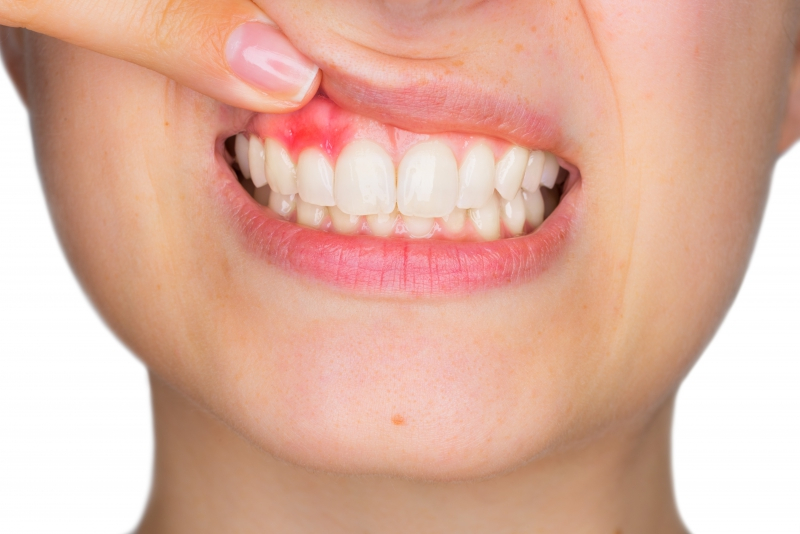
Healthy gums do not bleed. When they do, it is almost always because plaque has built up along the gum line and the tissue is reacting to the bacteria in it. Dentists call this stage gingivitis. It is common, it is reversible, and it is the moment to act.
Why gums start to bleed
Plaque is a soft, sticky film of bacteria. If it is not removed every day, the gums around it become red, swollen and tender. Inflamed tissue bleeds easily: when you brush, floss or even eat something crunchy.
- Plaque left along the gum line and between teeth
- Hormonal changes, for example during pregnancy
- Smoking, stress and some medicines that dry the mouth
- Braces, bridges and implants that create hard-to-clean corners
Bleeding is not a reason to brush less. It is a sign that the area needs more careful cleaning.
What you can do at home
Most people see a difference within one to two weeks of a consistent routine. Brush twice a day with a soft brush, angled towards the gum line. Clean between your teeth once a day. Then finish with a rinse that reaches where the brush cannot.
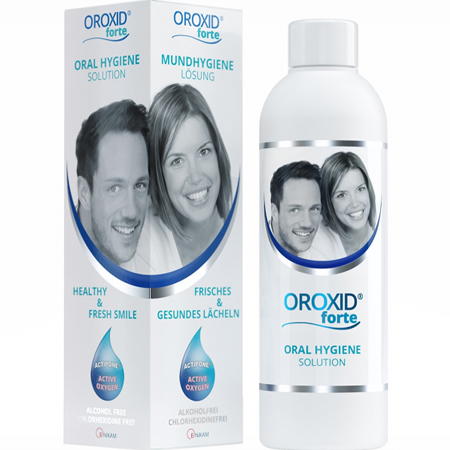
forte oral solution, 250 ml
Active oxygen foams into the pockets between teeth and gums. No alcohol, no chlorhexidine.
Why active oxygen helps
When an OROXID rinse touches the gums, it releases active oxygen. The light foam you feel lifts debris out of the gum pockets mechanically, while the oxygen-rich environment helps irritated tissue recover. The ACTIPONE® herbal complex of ginger, echinacea and myrtle soothes the mucosa.
Because OROXID contains no alcohol and no chlorhexidine, it does not burn, dry the mouth or stain teeth. You can use it every day, for as long as you need.
When to see your dentist
See a dentist if bleeding does not improve after two weeks, if your gums are receding, if teeth feel loose, or if you notice pus or persistent bad breath. These can be signs of periodontitis, which needs professional treatment. OROXID can support that treatment, but it does not replace it.